MVP vs full product: how much should you build before launch?
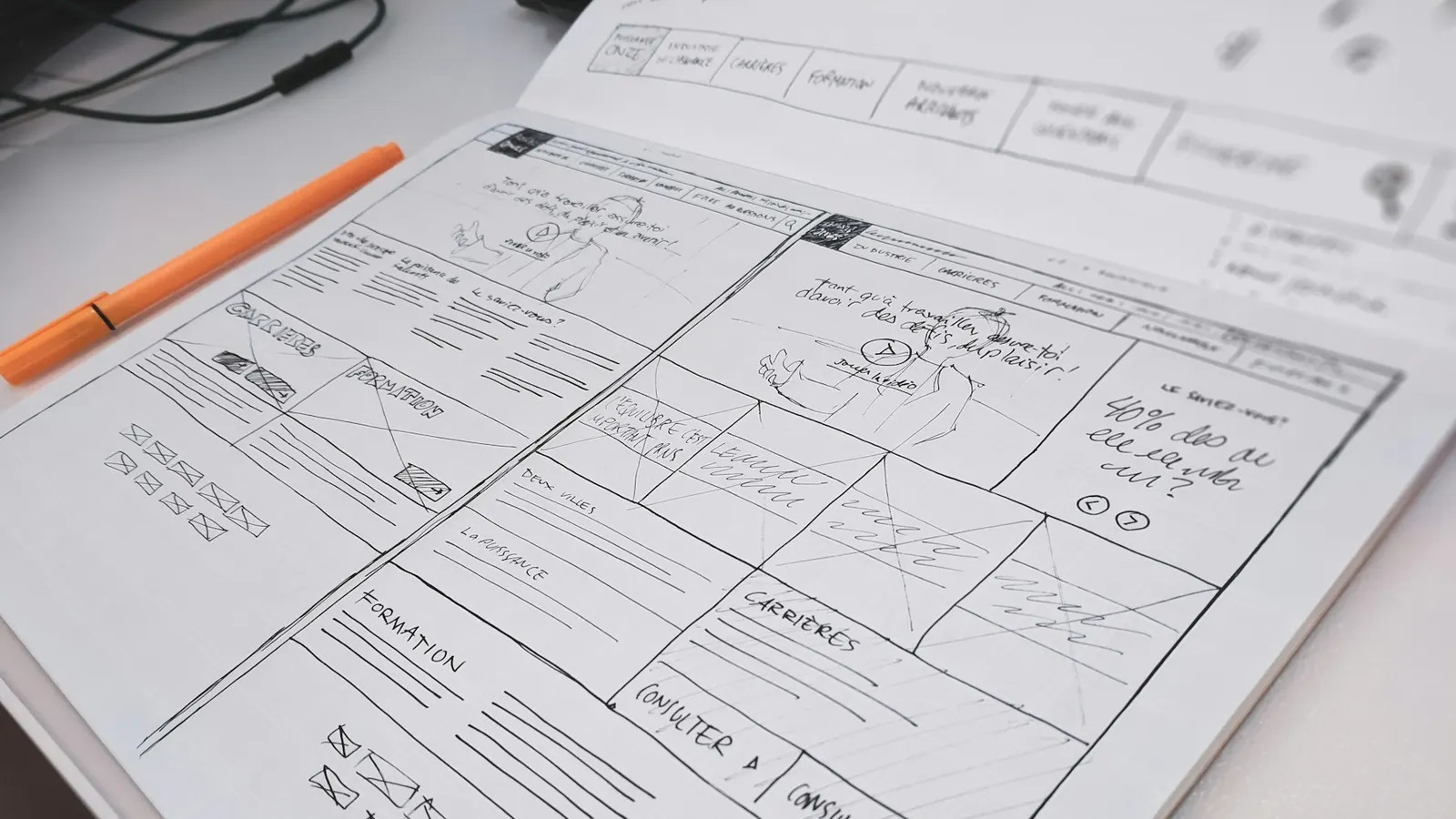
The short answer
Build an MVP when the biggest unknown is whether people want the product. Build the full product when demand is proven and the unknown is execution. A credible MVP does one job end to end, looks finished on that one job, and ships in weeks. If the MVP is taking months, it has stopped being one.
What an MVP is for
An MVP exists to answer one question with evidence: will the people you think are customers actually use this and pay for it? Everything that does not help answer that question is deferred. It is not a rough draft of the whole product, and it is not an excuse for a product that feels broken.
The MVPs I build do one thing completely. One user type, one core flow, one way to pay. Settings pages, admin panels, roles, integrations and the second user type all wait until the first flow has proven itself.
When to skip the MVP and build the product
- You already have paying customers or signed commitments and the risk is delivery, not demand.
- You are replacing an internal system whose requirements are known and whose users are captive.
- The market expects completeness on day one: regulated sectors, enterprise procurement, safety-critical use.

Side by side
| MVP | Full product | |
|---|---|---|
| Question answered | Do people want this? | Can we deliver this well at scale? |
| Scope | One user, one flow, one payment path | All planned users, flows and integrations |
| Timeline | Weeks | Months |
| Design standard | Finished on the one flow | Finished everywhere |
| Architecture | Simple, but built to extend | Built for the known load and roadmap |
| Biggest risk | Testing the wrong promise | Building the wrong product well |
The traps that turn an MVP into a full build
- Two user types from day one. Each doubles the surface area.
- Admin tooling before there is anything to administer. Use a spreadsheet and a database console.
- Integrations that can wait. Export a CSV until a customer asks for the sync.
- Rebuilding the design system. Use a proven one and spend the design effort on the core flow.
What a credible MVP still needs
Fast pages, a clean design on the flow that matters, real authentication, real payments and basic analytics. Users judge trust in seconds, and an MVP that looks unfinished tests the wrong thing: it measures whether people tolerate rough software, not whether they want yours.
It also needs an architecture that can grow without a rewrite. That is the part people skip and regret. A thin, well-structured codebase on a modern stack costs no more than a hacked one and saves the second build.
How to decide
- Write the single promise the product makes. If you cannot write it in one sentence, you are not ready for either.
- List what you know and what you assume. If the assumptions are about demand, MVP. If they are about delivery, full product.
- Set a launch date measured in weeks and cut scope until it fits.
Related reading


Sources
Related service
MVP Development for Startups
A technical partner from idea through production launch. Sohaib turns a founder's idea into a working MVP, with scope agreed up front, an architecture designed for the system you will have in two years, and code any team can take over.